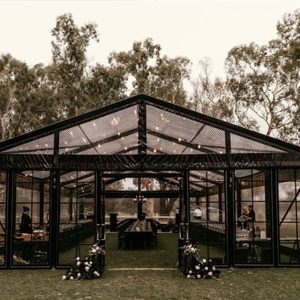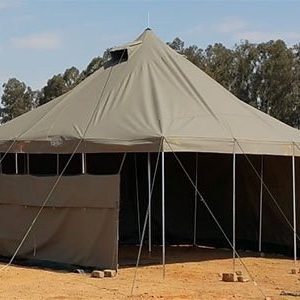
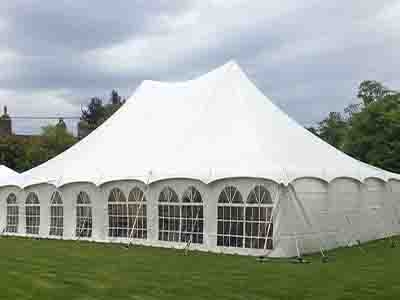
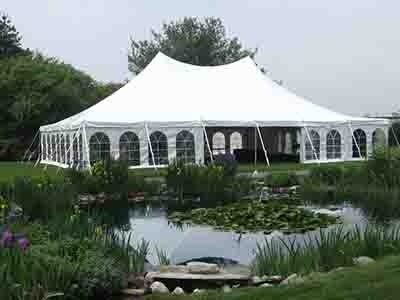


What Are Peg and Pole Tents?
Peg and pole tents are canvas or PVC tents supported by a series of central poles and guy ropes pegged into the ground. This classic design has stood the test of time, providing a stable and visually appealing structure ideal for outdoor use. These tents come in various sizes and shapes, making them suitable for both small gatherings and large-scale events.
The primary features of peg and pole tents include easy customization, weather resistance, and a traditional aesthetic that enhances any venue. Whether you’re planning an elegant wedding or a rugged camping experience, these tents offer reliability and visual appeal.
Applications of Peg and Pole Tents
One of the biggest advantages of peg and pole tents is their versatility. They are ideal for:
- Outdoor Weddings and Receptions: These tents offer a romantic, vintage look that blends beautifully with natural surroundings.
- Corporate Functions: Companies often use them for outdoor exhibitions, team-building events, and brand activations.
- Festivals and Concerts: With large open spaces, peg and pole tents can accommodate both the crowd and the stage setup.
- Religious Gatherings and Community Events: Large congregations often prefer these tents due to their size and affordability.
- Emergency and Relief Efforts: When quick shelter is needed for disaster-stricken areas, peg and pole tents offer fast, large-scale coverage.
Key Features to Look For
When browsing peg and pole tents for sale, keep the following features in mind to ensure you get the best value for your money:
- Material Quality: Look for tents made from heavy-duty PVC or canvas. These materials are waterproof, UV-resistant, and built to last.
- Pole Strength: Galvanized steel or aluminum poles provide maximum support, especially in windy areas.
- Wind and Weather Resistance: High-quality peg and pole tents are designed to withstand various weather conditions, including wind, rain, and intense sun.
- Size Options: Choose from a wide range of dimensions to suit your event’s space requirements. Some tents can even be joined together for larger areas.
- Ease of Installation: A good tent should come with clear instructions and installation kits. Some suppliers even offer setup services.
FAQs About Peg and Pole Tents
1. How are peg and pole tents different from frame tents?
Peg and pole tents use central poles and guy ropes for support, while frame tents use a rigid frame structure without the need for center poles. Peg and pole tents typically require pegging into the ground, making them more suitable for soft surfaces like grass. Frame tents, on the other hand, can be installed on hard surfaces such as concrete. The choice between the two often depends on venue type, aesthetics, and budget.
2. Can peg and pole tents withstand strong winds or rain?
Yes, high-quality peg and pole tents made from PVC or canvas are designed to handle moderate to strong winds and rain. However, proper installation is crucial. Always ensure that the guy ropes are securely pegged and tensioned. Additionally, sidewalls can be added to protect the interior from rain and wind. In extreme weather conditions, it’s advisable to take down the tent or add reinforcement.
3. Are these tents easy to transport and store?
Peg and pole tents are quite portable and easy to store, especially when they are made from modular components. The poles, canvas, and pegs can be packed into manageable bags or containers. While they are bulkier than pop-up tents, they are far more spacious and durable. Transport usually requires a small vehicle or trailer, depending on the tent’s size.
4. How long do peg and pole tents last with regular use?
With proper care and maintenance, a peg and pole tent can last anywhere from 5 to 10 years or even longer. The longevity depends on the material used, frequency of use, exposure to elements, and how well it is stored. PVC tents typically last longer than canvas but may require more care to avoid UV damage.
5. Do I need professional help to set up the tent?
While many peg and pole tents can be set up by a small team, larger tents may require professional installation—especially for events with specific safety and structural requirements. Some suppliers offer full setup services, which can be a time-saver for event organizers. For smaller tents or personal use, a basic understanding of the structure and setup steps is usually sufficient.