Industrial Tents Manufacturers Dubai. Top Supplier, Maker, Stockist. Best Price Buy Tent for Storage, Warehouse & Construction site.
What Makes Industrial Tents Ideal for Commercial and Industrial Use?
Industrial tents are engineered to withstand the elements and perform in demanding conditions. Made with galvanized steel frames and high-tensile PVC-coated fabric, these tents are built for strength and endurance. Many feature wind ratings of over 100 km/h, and some can even withstand snow loads and high UV exposure.
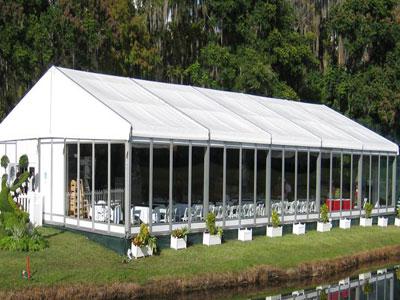
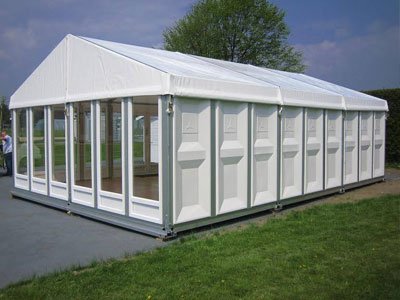
Their modular design allows businesses to customize dimensions, heights, and door placements, which is especially beneficial for logistics centers, mining sites, and construction zones. Whether you need to cover equipment, raw materials, or create a temporary workstation, industrial tents can be tailored to suit your specific needs.
Another key benefit is the speed of installation. Traditional buildings can take months to construct, while industrial tents can often be erected in just a few days. This rapid deployment makes them ideal for emergency storage, temporary logistics hubs, or short-term production expansions.
Key Applications of Industrial Tents Across Sectors
Industrial tents are widely used across many industries due to their adaptability. Here are some of the most common applications:
- Construction Sites: Used to shelter tools, raw materials, and even workers from sun, wind, and rain.
- Mining Operations: Provide secure spaces for machinery, spare parts, and temporary accommodations.
- Logistics and Warehousing: Act as overflow storage or loading zones during peak operational times.
- Agricultural Use: Ideal for storing crops, fertilizers, and farming equipment.
- Military and Government Use: Rapid-deployment shelters for missions, disaster relief, and logistics.
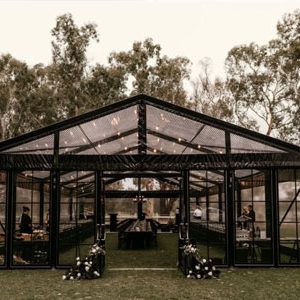
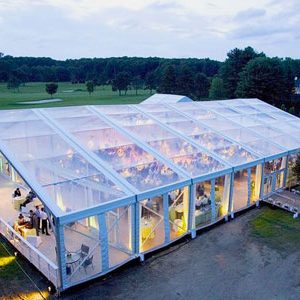
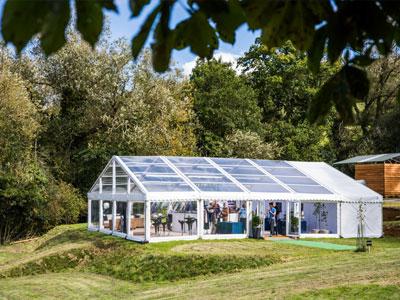
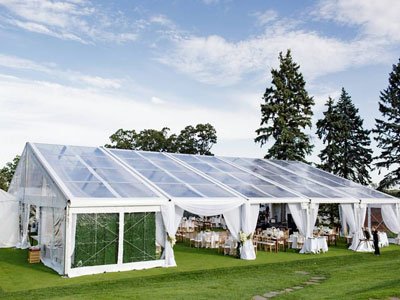
- Event Hosting and Exhibitions: Serve as temporary exhibition halls or backstage zones for large outdoor events.
Their mobility and scalability allow businesses to respond quickly to changes in demand or operational scale.
Benefits of Investing in Industrial Tents
Investing in industrial tents comes with a range of advantages over permanent structures. Below are some of the primary benefits:
- Cost-Effective: Lower upfront costs than constructing a warehouse or building.
- Quick Setup and Dismantling: Erect within days without extensive site preparation.
- Customizable: Choose your dimensions, wall height, roof type, door placement, and ventilation options.
- Weather Resistant: High-quality industrial tents are waterproof, wind-resistant, and UV-protected.
- Relocatable: Can be moved to new job sites or expanded as your business grows.
- Minimal Permits: In many locations, tents are considered temporary structures and require fewer building permits.
The flexibility offered by industrial tents makes them an efficient solution for growing businesses or temporary projects.
Frequently Asked Questions (FAQs)
1. What size industrial tent do I need for my operation?
The size depends entirely on your intended use. For example, a logistics center may require a wide-span tent with open space for forklifts, while a construction site might only need a smaller shelter for tools and materials. A good rule is to calculate the total square meters needed, accounting for storage racks, equipment movement, and worker space. Most suppliers offer standard and customizable sizes ranging from 10x20m to 50x100m or more.
2. Can industrial tents withstand extreme weather conditions?
Yes, high-quality industrial tents are designed to endure harsh weather. Most feature heavy-duty PVC covers that are UV-resistant and waterproof. Frames are often made of galvanized steel or high-grade aluminum, capable of withstanding winds up to 120 km/h or more. For snow-prone regions, snow-load-rated tents are also available. Always check the product specifications to ensure it meets your environmental demands.
3. Are permits required for setting up industrial tents?
This depends on your local regulations. In many areas, industrial tents are classified as temporary structures and require minimal permitting compared to permanent buildings. However, for large or long-term installations, you may need zoning approvals, safety inspections, or temporary structure permits. It’s best to consult with your local authorities or work with a supplier who can guide you through the process.
4. How long does it take to install an industrial tent?
Installation time varies depending on the size and complexity of the tent. Smaller units can be set up within a day or two, while large-scale tents may take up to a week. Most manufacturers offer on-site installation services to speed up the process and ensure safety compliance. The terrain and weather also play a role, so pre-site inspection is recommended.
5. Can industrial tents be relocated to another site?
Yes, mobility is one of the key advantages of industrial tents. They are designed for easy dismantling and transportation. This makes them ideal for construction companies, event planners, and industries with multiple job sites. Some tents come with modular components that can be packed, shipped, and reassembled without structural damage or major effort.