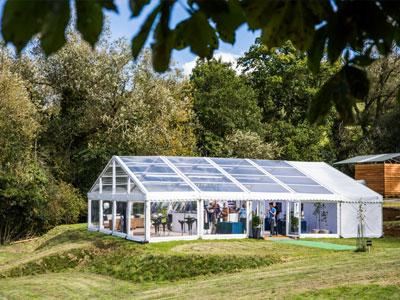
Why Frame Tents Are a Preferred Choice for Events and Businesses
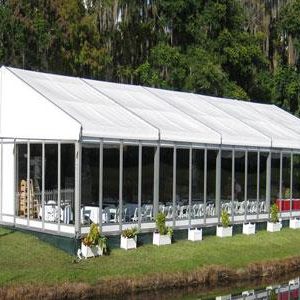
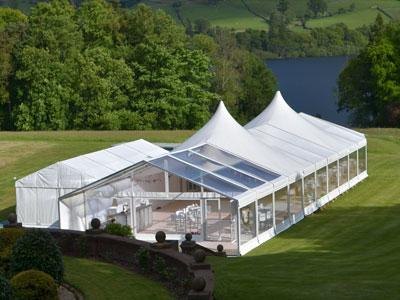
Frame tents offer a host of practical benefits that make them the go-to option for both event planners and commercial buyers. Their modular design allows users to configure them in various sizes and shapes, such as square, rectangular, or even hexagonal layouts. This flexibility is especially useful for tailoring the tent to fit specific venues or event spaces.
Another major advantage is their freestanding design. Since the tent’s structure does not depend on staking, frame tents can be erected on surfaces like concrete, asphalt, decks, and compacted ground—making them perfect for urban settings or temporary industrial shelters. This feature also ensures minimal ground disturbance, which is particularly beneficial for heritage sites, gardens, and protected areas.
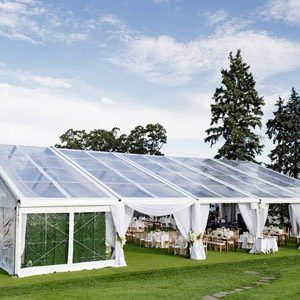
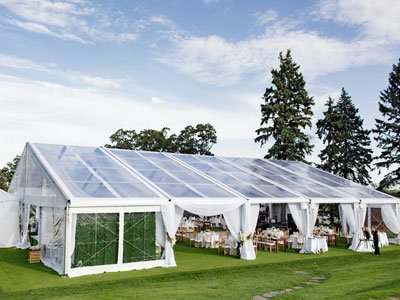
The high ceiling clearance, optional clear windows, and interior draping possibilities enhance the aesthetics, making frame tents not just functional but also visually impressive. They can be fully enclosed with sidewalls for privacy or climate control or left open for a breezy, outdoor ambiance.
Key Features That Define High-Quality Frame Tents
When browsing frame tents for sale, it’s essential to understand what separates a good-quality tent from a subpar one. Investing in a reliable tent means looking for the following features:
- Strong Frame Material: Look for aluminum or galvanized steel frames. Aluminum is lightweight and rust-resistant, while steel offers maximum durability.
- Weatherproof Covering: PVC-coated polyester fabric is commonly used due to its waterproof, UV-resistant, and flame-retardant properties.
- Customizable Sidewalls: Some frame tents come with optional sidewalls that can include clear panels, mesh screens, or solid fabric for various levels of enclosure.
- Anchoring Options: Even though frame tents are freestanding, anchoring is still important. Sandbags, water barrels, or concrete anchors are often used, depending on the surface.
- Expandable Design: Modular frame tents allow you to expand the structure by connecting additional bays or segments as your needs grow.
These features ensure that your tent not only looks professional but also withstands the elements and remains safe for guests or equipment.
Popular Uses of Frame Tents Across Industries
The versatility of frame tents makes them popular across a wide range of industries beyond just event planning. They serve multiple functions, such as:
- Wedding Receptions and Parties: Frame tents are elegant and customizable, with the ability to hang chandeliers, fabric drapes, and floral decorations.
- Corporate and Trade Events: Their open interior layout accommodates booths, stages, and seating arrangements without obstruction.
- Construction and Industrial Sites: Used as site shelters or break areas for workers, these tents protect against sun, rain, and dust.
- Storage and Warehousing: Frame tents are a cost-effective solution for temporary warehousing of goods, equipment, or agricultural produce.
- Disaster Relief and Emergency Response: Governments and NGOs use them to establish command centers, clinics, and temporary housing.
Such wide application shows how frame tents are not just event-focused but also practical for ongoing, everyday utility in different fields.
Frequently Asked Questions (FAQs)
1. Are frame tents suitable for year-round use?
Yes, high-quality frame tents made with heavy-duty aluminum or galvanized steel frames and waterproof PVC covers are suitable for year-round use. However, it’s crucial to ensure proper anchoring and maintenance, especially during winter or stormy seasons. In extreme conditions, additional reinforcements or weather-specific designs may be needed.
2. Can frame tents be installed on any surface?
Frame tents can be installed on various surfaces such as grass, concrete, asphalt, or compact soil. Their freestanding design does not rely on ground stakes, making them ideal for urban areas or surfaces where staking is not possible. Anchoring systems like weights, sandbags, or water barrels help secure the tent in place.
3. What is the difference between a frame tent and a pole tent?
The main difference lies in the structure. Frame tents use a metal frame for support and have no center poles, giving you a completely open interior space. Pole tents rely on central poles and tension from the guy ropes for support, which can restrict layout options. Frame tents are more versatile for setup on hard surfaces and for long-term use.
4. How long does it take to set up a frame tent?
Setup time varies depending on the size and complexity of the tent. A small frame tent (e.g., 3×6 meters) can be set up in under an hour with 2-3 people, while larger tents may take several hours and require a team of professionals. Manufacturers usually provide detailed assembly guides or video tutorials to help with the process.
5. Do frame tents require maintenance?
Yes, regular maintenance extends the life of your frame tent. This includes cleaning the PVC fabric after use, checking for frame rust or corrosion, inspecting joints and connections, and storing the tent in a dry environment. Timely repairs and protective storage bags will help preserve both aesthetics and functionality.