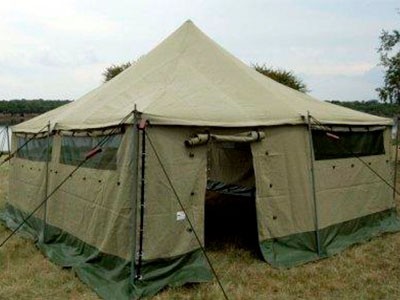
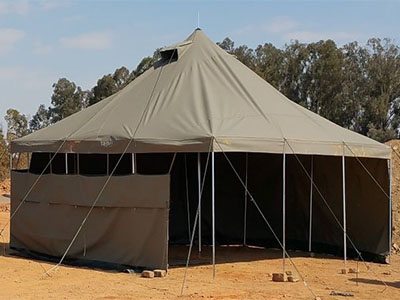
What Are Emergency Relief Tents?
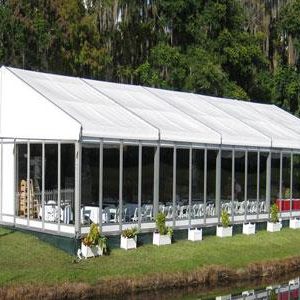
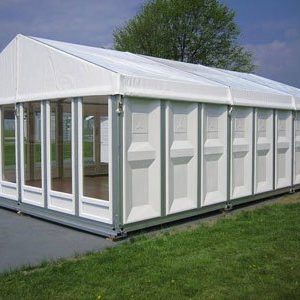
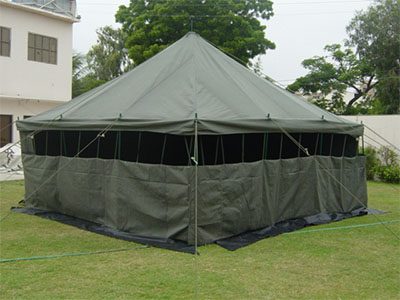
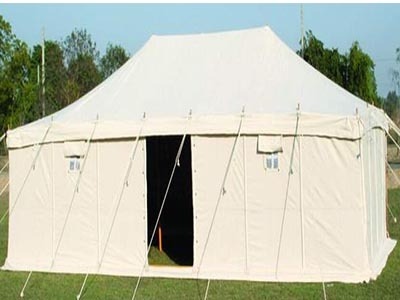
Emergency relief tents are specially designed structures that provide immediate shelter in disaster-affected or crisis-stricken areas. Unlike regular camping tents, these units are built to endure harsh conditions while being easy to transport, assemble, and deploy. They serve as homes, clinics, command centers, and even temporary schools in regions facing displacement due to floods, earthquakes, fires, conflicts, or pandemics.
Manufactured using durable, weather-resistant materials, these tents come in different sizes and configurations, depending on their intended use. From compact shelters for individuals to large-capacity tents for group accommodation or medical units, there’s a solution to suit every emergency scenario.
Features of Quality Emergency Relief Tents
Not all emergency tents are created equal. When searching for emergency relief tents for sale, it’s essential to consider certain key features:
- Weatherproof Materials: Made from waterproof canvas or PVC-coated polyester to resist wind, rain, and UV rays.
- Quick Setup: Modular frames and lightweight parts allow for rapid deployment in challenging terrains.
- Thermal Insulation: Proper ventilation and insulation help maintain interior comfort in hot or cold climates.
- Customizable Design: Interior partitions, windows, mosquito nets, and flooring options make tents more livable.
- Reinforced Structure: Galvanized steel or aluminum frames provide extra strength and stability in turbulent environments.
The primary goal of these features is to ensure that relief tents are more than just shelters—they become temporary homes that restore a sense of normalcy in crisis zones.
Who Uses Emergency Relief Tents?
Emergency tents are widely used by:
- Humanitarian Aid Organizations: UN agencies, Red Cross, and other NGOs deploy these tents in disaster-hit zones globally.
- Government Disaster Response Teams: For setting up camps for evacuated or displaced citizens.
- Medical and Health Services: As field hospitals, quarantine zones, or first-aid units during disease outbreaks.
- Military and Defense: Used in combat zones and peacekeeping missions for temporary lodging or command posts.
- Construction and Mining Camps: For remote workforces needing temporary housing.
With such a wide application, these tents must be reliable, adaptable, and easy to maintain.
FAQs About Emergency Relief Tents
1. How long do emergency relief tents last?
High-quality emergency tents can last anywhere from 6 months to 3 years depending on the climate, usage, and maintenance. Durable materials like PVC-coated canvas and galvanized steel frames increase lifespan even in tough environments.
2. Can emergency relief tents be reused?
Yes, most emergency tents are designed for reuse. Once cleaned and properly stored, they can be redeployed in future emergencies. Reusable designs help organizations cut costs and reduce waste.
3. Are these tents suitable for extreme climates?
Emergency relief tents are engineered to perform in a variety of environments—from scorching deserts to cold mountain regions. Optional insulation, ventilation, and weatherproofing kits enhance their performance in extreme climates.
4. Can the tents be customized for medical or operational use?
Absolutely. Many suppliers offer customization such as partition walls, medical flooring, windows with mosquito netting, and entrances suitable for stretchers or equipment. This makes them ideal for field hospitals, clinics, and control centers.
5. Do emergency tents require professional installation?
Most emergency tents are designed for fast assembly without heavy tools or professional help. A trained crew or even volunteers can usually install them using the included instructions, making them ideal for rapid deployment in crisis zones.